

Tigger's Green Paw
Plum
Animal Safety: Dogs: Yes Cats: No Rabbits: Yes
The flesh of plums are safe for dogs and rabbits to eat in moderation. While safe for cats to eat the flesh, it provides no nutritional value to a cat. Plums seeds/pits, leaves and stems could be poisonous.
Lifespan:
Plum trees generally live for 20 to 30 years or longer in ideal conditions. Actual peak fruit production years from a plum tree is only around 7 to 15 years.
Growing a plum tree from seed takes a while as it takes up to 3 years to grow and will not bear fruit upto 6 years.
Soil Type:
Plum trees prefer well drained sandy soil.
There are hundreds of plum tree varieties worldwide, with over 300 grown in the UK alone.
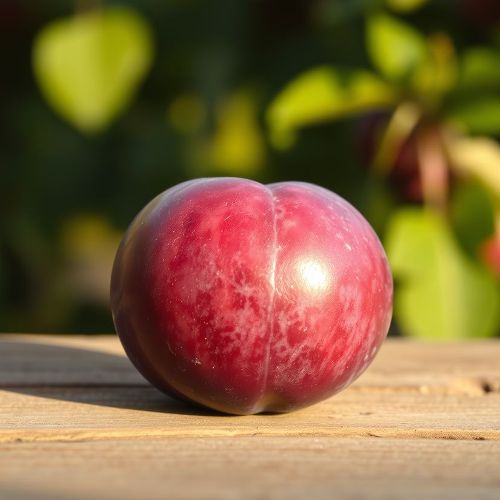
Plums come in many colours, including yellow, green, red, blue, and black.
Plum trees have existed for thousands of years and are considered one of the earliest fruits domesticated by humans, with evidence of their cultivation dating back to at least 10,200 BC. They are believed to have originated in Eastern Europe
Plums are ancient drupe fruits, cultivated for thousands of years, that come in diverse colours (purple, red, yellow, green) and sizes ranging from cherries to baseballs. Known for being highly nutritious, packed with vitamins A, C, and K, they are closely related to peaches and apricots.
Prunes are dried plums, and they do not ripen further once picked though they may soften.
The pale powdery coating on a fresh plum is called "bloom." It’s a natural wax that protects the skin.
Other than eating fresh, they are used for jams, jellies, tarts, and even wine.