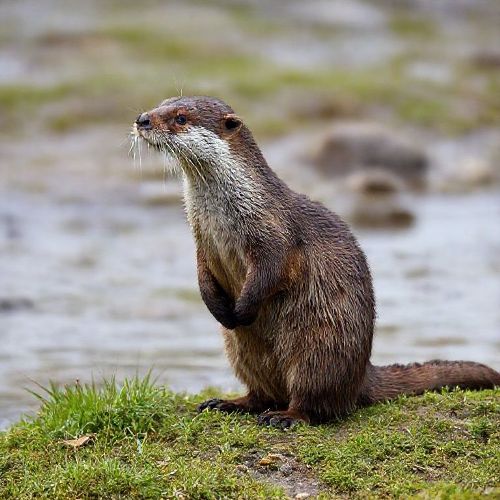


History of... Otter
Name:
Otter
Scientific Name:
Lutra Lutra
Family:
Mustelids
Conservation Status:
Threatened world wide but protected in the UK
Habitation:
near various water bodies like rivers, lakes, wetlands, and coastlines
Discovery:
Otters have existed for over 11 million years
Description:
Otters are carnivorous mammals with long slender bodies, short legs, and dense waterproof fur. They are highly adapted for aquatic life with webbed feet and a long, muscular tail that aids in swimming. They have small ears, a broad nose and eyes set high on the head for better underwater vision.
Otters are about 60 to 80cm (23 to 31in) long with a tail length of 32 to 56cm (12 to 22in) and weigh around 6 to 8kg (13 to 17in).
Male otters are called dogs or boars, females are called bitches or sows and their offspring are called pups or cubs. The collective nouns for otters are a bevy, family, lodge, romp or when they are in water, a raft.
Behaviour and Social Structure:
Many river otter species are largely solitary, coming together only briefly to mate. Females raise their young alone.
Other species, like smooth coated and North American river otters, live in small family groups, often a mother with her offspring.
Diet and Feeding Habits:
Otters are carnivorous and primarily eat fish, but their diet varies by species, location and food availability. The eat a variety of food including crustaceans (crabs, crayfish), amphibians (frogs), birds, eggs, and small mammals, with some sea otters using rocks as tools to smash shellfish. They are active hunters, needing to eat a large percentage of their body weight daily, and spend much of their time hunting, using strong swimming skills.
They have adapted to swimming by being able to close their ears and noses while swimming underwater.
Breeding:
Otter breeding is often in spring, with females raising 2 to 3 pups (cubs) in secluded dens (holts) for about a year. The young stay with the female for up to a year as she teaches them to swim, hunt and other survival skills before they disperse to find their own territories.
Otters are mature at around two years old.
Lifespan:
Around 10 years in the wild, longer in captivity.
Threats to Population:
Otter populations face threats from pollution, habitat loss due to mining and development, road traffic accidents, illegal poaching, and food decline.