

History of... Devon Rex
Name:
Devon Rex
Scientific Name:
Felis catus
Family:
Felidae
Conservation Status:
Not Applicable
Habitation:
The Devon Rex is strictly a domestic indoor pet due to their thin fragile coats. They are found globally in human households.
Discovery:
The breed originated in Devon, England in 1960
Appearance:
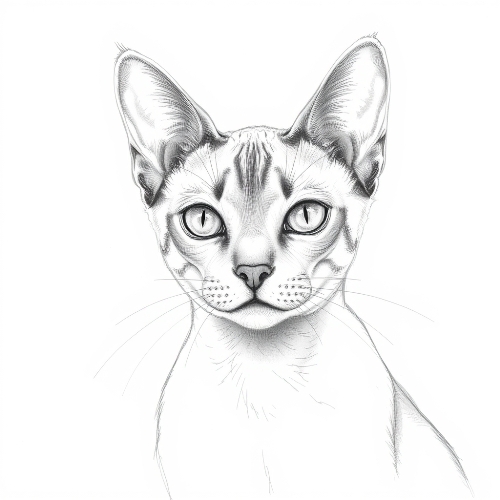
The Devon Rex has a distinct, elf like appearance. They feature a short, wedge shaped head, prominent cheekbones, and large low set ears. Their whiskers are short and crinkled. A slender medium sized muscular body with long slim legs. The hind legs are slightly longer than the front legs. Their fur consists of short soft down hair that forms loose rippling waves (called "rexing"). They have very little thicker outer fur, making them feel like warm suede to the touch. They come in all coat colours and patterns.
Behaviour and Social Structure:
Highly social mischievous and extroverted. They are often described as having a high intelligence and acrobatic antics.
They are loyal cats that prefer to sit on their human's shoulders, laps, or nestled under the bed sheets for warmth. They do not do well if left alone for long periods.
Unlike some vocal breeds the Devon Rex usually communicates with quiet soft chirps and trills rather than loud meowing.
Diet:
They have a high metabolic rate and a higher body temperature as they burn energy quickly to stay warm. They often require more food than an average cat of similar size. They are notorious food thieves and are highly motivated by human food and will actively try to steal scraps directly from plates or kitchen counters if not strictly trained.
They thrive on high quality, protein rich food to maintain their lean muscle mass and healthy skin oils.
Breeding:
As the "rex" coat gene is recessive, a kitten must inherit a copy of the mutated gene from both parents to develop the signature wavy fur. To maintain a healthy gene pool and avoid severe inbreeding depression, registries allow managed out crossing with specific straight coated breeds, such as the American Shorthair and British Shorthair.
Male cats are called Tom or Tomcats (Gib if neutered) and females are called Queens (Molly if neutered). Queens give birth to litters of 3 to 6 kittens. The kittens are born with fur, but often go through a balding phase before their adult coat fully grows in. They mature around 18 months to 3 years, but can breed from 7 months.
Threats to Population:
As a protected domestic pet, they face no threats from wild predators or habitat loss.
Instead, threats to the breed focus heavily on genetic health and welfare.
Devon Rex Myopathy:
An inherited, recessive muscular condition (also known as "spasticity") that causes muscle weakness, a high-stepping gait, and head dropping. Responsible breeders use DNA testing to eliminate this from breeding lines.
Hypertrophic Cardiomyopathy (HCM):
A genetic heart disease common across many cat breeds that causes thickening of the heart muscle.
Skin Issues:
Due to their lack of protective guard hairs, they are prone to yeast infections in their ears and skin folds if oil build-up is not regularly cleaned.